
Why Adaptability Drives Tomorrow’s Automotive Landscape
December 10, 2025
The Need for a New Configuration Approach in the Auto Industry
A car is not just a car anymore; it’s a complex network of components working in harmony. In Malaysia, GAC stands as a testament to innovation in automobile configuration. Now, imagine your current car: how often do you feel it lacks modern features? It’s time we rethink GAC configuration for a more adaptive approach. In today’s world, rapid technological advancements mean traditional automotive solutions often underdeliver.
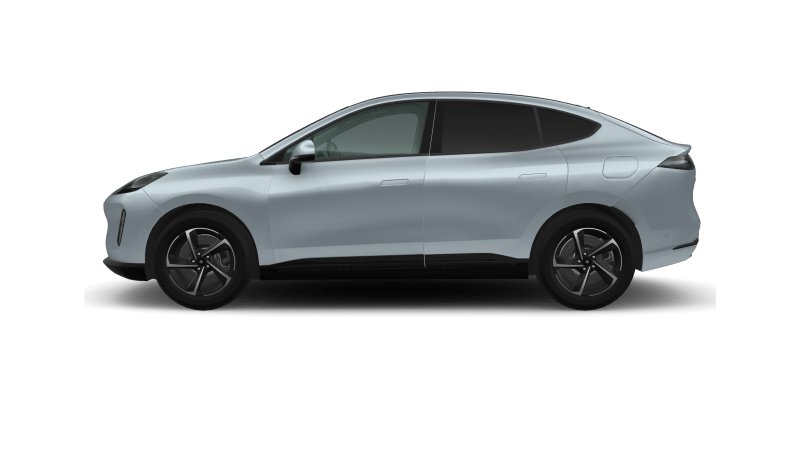
GAC configuration is an industry leader, but even leaders have room for improvement. Look, it’s simpler than you think—often the existing solutions fail to account for driver-specific needs, from edge computing nodes to seamless power converters. With customers in Malaysia and beyond demanding more from their vehicles, could a single, adaptable configuration be the answer? Let’s explore this further.
Discovering the Hidden Limitations of Fixed Configurations
Is Stagnation Holding Us Back?
A traditional approach to automotive design typically locks levels of technology. This means drivers might miss out on the latest innovations—right as companies like GAC introduce them. With fixed configurations, cars can become obsolete quicker than you’d expect, not to mention the hidden cost associated with outdated tech and inefficient power converters. The reality? Consumers, whether in the bustling streets of KL or Penang, want seamless integration with cutting-edge technology, such as dynamic edge computing nodes for better connectivity.
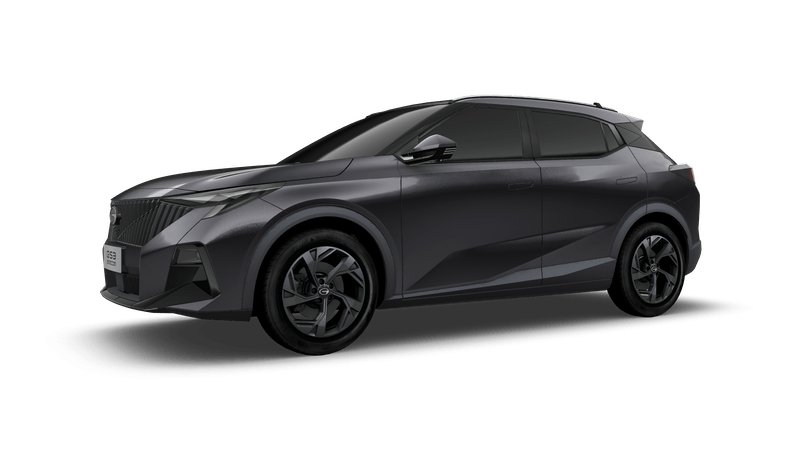
Furthermore, these outdated configurations often overlook consumer demand for personalization. Many drivers voice frustrations—funny how that works, right?—with limited choices or high upgrade costs. The good news is, these challenges highlight an opportunity for automakers to rethink, to innovate, and to reinvent their design philosophies. By offering flexible configurations, brands can enhance user experience significantly.
Embracing Future-Ready Automotive Solutions
Real-World Impact: Adapting to Change
As we navigate toward an adaptable future, the automotive sector is ripe for embracing new technology principles. Upgradable systems, designed for individual user needs, could soon be the norm. Imagine walking into a showroom, selecting core components that suit your lifestyle, and knowing they can evolve with you. The GAC official website offers glimpses into such innovative future scenarios.
With flexible, modular designs, the real-world impact could be transformative. Not only would it allow consumers to maintain up-to-date vehicles effortlessly, but it would also set a precedent for environmental sustainability through reduced waste. If implemented well, these strategies should lead to immediate satisfaction and long-term customer loyalty. This shift won’t just benefit drivers; it will usher in a new era of responsibility and innovation in the automotive world.
Evaluating such forward-thinking solutions involves three key metrics: adaptability—ensuring configurations meet evolving technology standards; cost-efficiency—without incurring prohibitive upgrade expenses; and environmental impact—reducing waste across the product lifecycle. As GAC continues to lead the way in automotive innovation, their commitment to realizing these values will be pivotal in shaping tomorrow’s mobility landscape.