
Educational Animal Programs For Schools And Organizations: Attractive, Fun, And Instructive
February 23, 2026
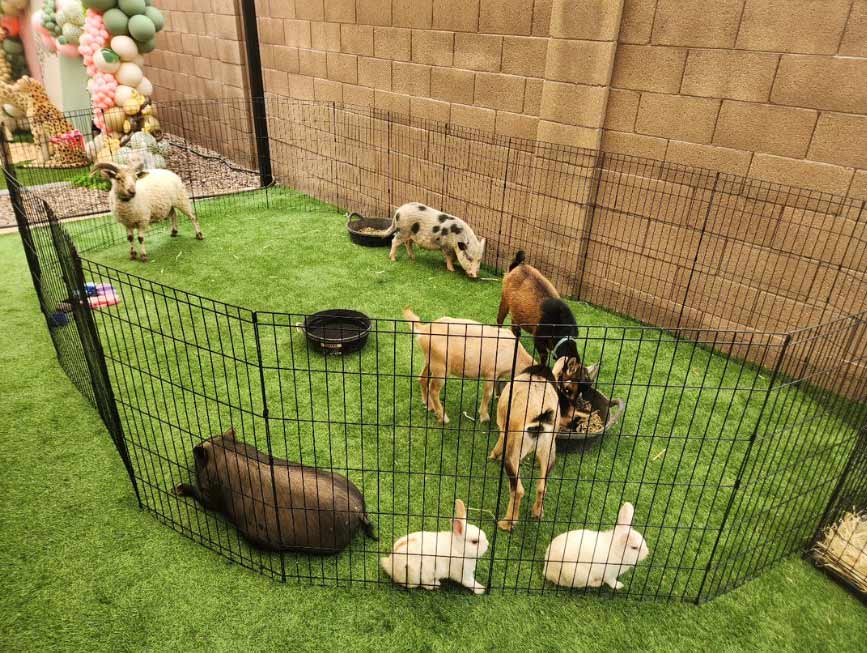
Finding attractive educational activities for schools and organizations can be thought-provoking. Teachers and program coordinators often fight to supply work force-on eruditeness experiences that capture students care while delivering meaningful lessons. Traditional classroom activities may feel iterative or fail to connect with real-world experiences, leaving children less intended to participate. Schools and community organizations are perpetually searching for unique programs that combine fun, breeding, and personal growth to enrich their curricula and events mobile petting zoo.
Educational animal programs supply an groundbreaking root to these challenges. By bringing animals straight into classrooms, libraries, and community centers, these programs offer students and participants a workforce-on chance to instruct about wildlife, farm animals, and animate being care. Such programs are studied to be interactive, allowing children and adults alike to touch, follow, and engage with animals while encyclopaedism necessity concepts about biota, , and responsibility.
Many organizations offering educational fauna programs focus on on safety, handiness, and syllabus alignment. These programs are premeditated for a wide range of audiences from preschoolers experiencing animals for the first time to experienced students exploring topics in skill and state of affairs studies. With skilled staff leading the Roger Huntington Sessions, participants gain knowledge while having a unforgettable, hands-on experience that reinforces lessons in a concrete way.
Benefits of Educational Animal Programs
Choosing learning beast programs for schools and organizations provides many advantages:
Hands-On Learning: Students can watch and interact with animals, enhancing retentiveness and involvement.
Curriculum Support: Programs can align with acquisition standards in skill, biology, and state of affairs studies.
Social and Emotional Growth: Caring for and interacting with animals encourages , responsibility, and .
Memorable Experiences: Participants are more likely to think of lessons learned through aim engagement.
Community Engagement: Local programs tone ties between schools, families, and community organizations.
Program Features
Educational beast programs often let in a variety show of features tailored to meet the needs of students and community groups:
Animal Demonstrations: Live demonstrations with farm animals, reptiles, birds, and moderate mammals.
Interactive Lessons: Students teach about beast behaviour, habitats, diet, and care.
Themed Educational Modules: Programs may focalize on ecosystems, conservation, or agriculture.
Hands-On Participation: Opportunities to feed, pet, or follow animals nearly.
Supplementary Materials: Worksheets, natural process guides, and watch over-up resources for continuing encyclopaedism.
Ideal Settings for Educational Animal Programs
These programs are right for a wide straddle of settings:
Schools: Classrooms, skill labs, and outdoor scholarship spaces.
Community Centers: Libraries, juvenility programs, and unpaid facilities.
Day Camps: Summer and holiday camps offer activities.
Special Events: Festivals, open houses, or family-oriented learning gatherings.
Conclusion
Educational fauna programs for schools and organizations volunteer an extraordinary way to combine eruditeness, fun, and men-on fundamental interaction. By delivery animals straight to students and participants, these programs supply red-letter experiences that foster wonder, empathy, and a love of encyclopedism. Whether integrated into classroom lessons or offered as part of community events, learning animate being programs create significant connections between participants and the cancel earth, ennobling both noesis and appreciation for animals in a safe, piquant, and educational .